
Wired nurse call system
Two wired models, both running on ordinary cable rather than structured data cabling. Signavanc Ultra puts an LCD nurse station on a 26-port hub for up to 56 beds; Signavanc Lite puts the room and bed number on a dot-matrix panel for up to 26. No radio to plan, no batteries to replace, and no Cat 5/6 to pull.
The difference is the nurse station, not the cable
Both are wired, both cover bedside calls, toilet pull-cords and Code Blue, and both are NABH-ready. What separates them is what the nurse sees when a call arrives — and how many beds one station can carry.
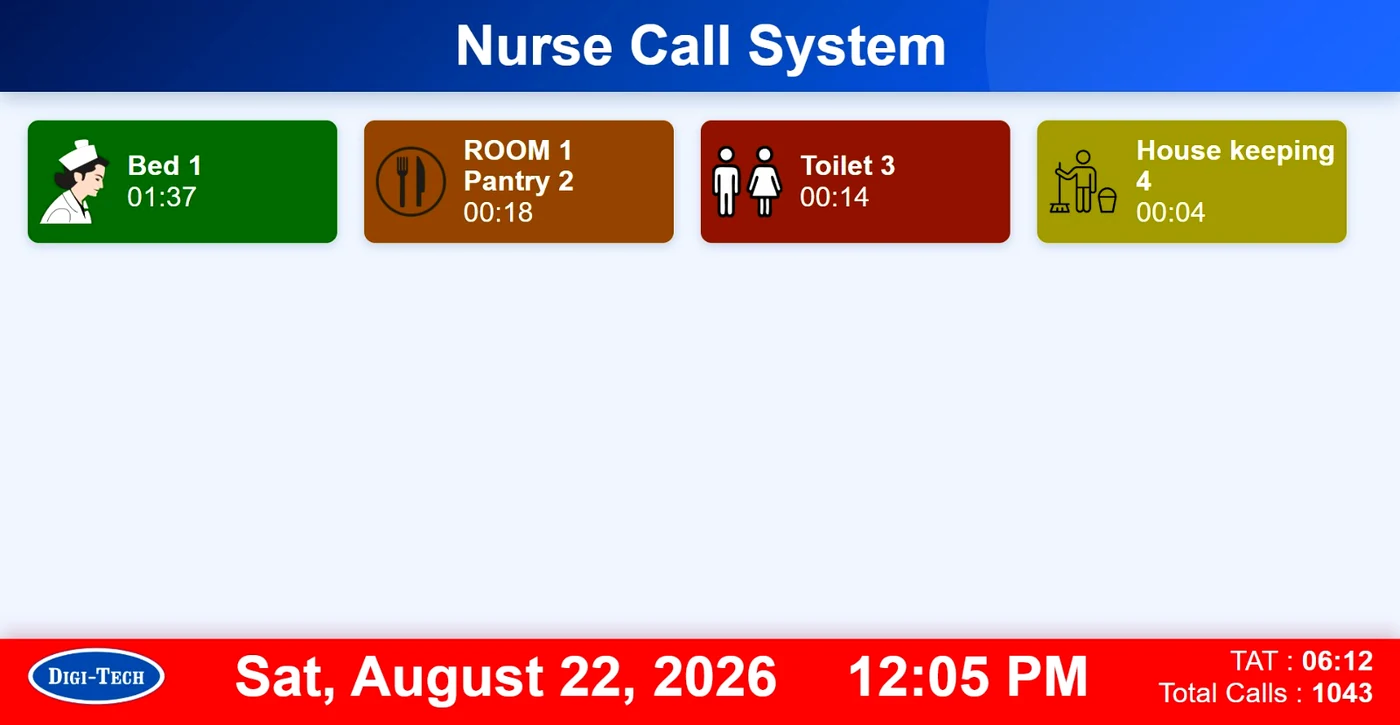
Signavanc Ultra
LCD nurse station · 26-port hub
A live console listing every call with its room, bed and waiting time, illuminated IP65 bedside panels, multi-colour corridor indicators and centralised reporting — on an in-house 26-port hub.
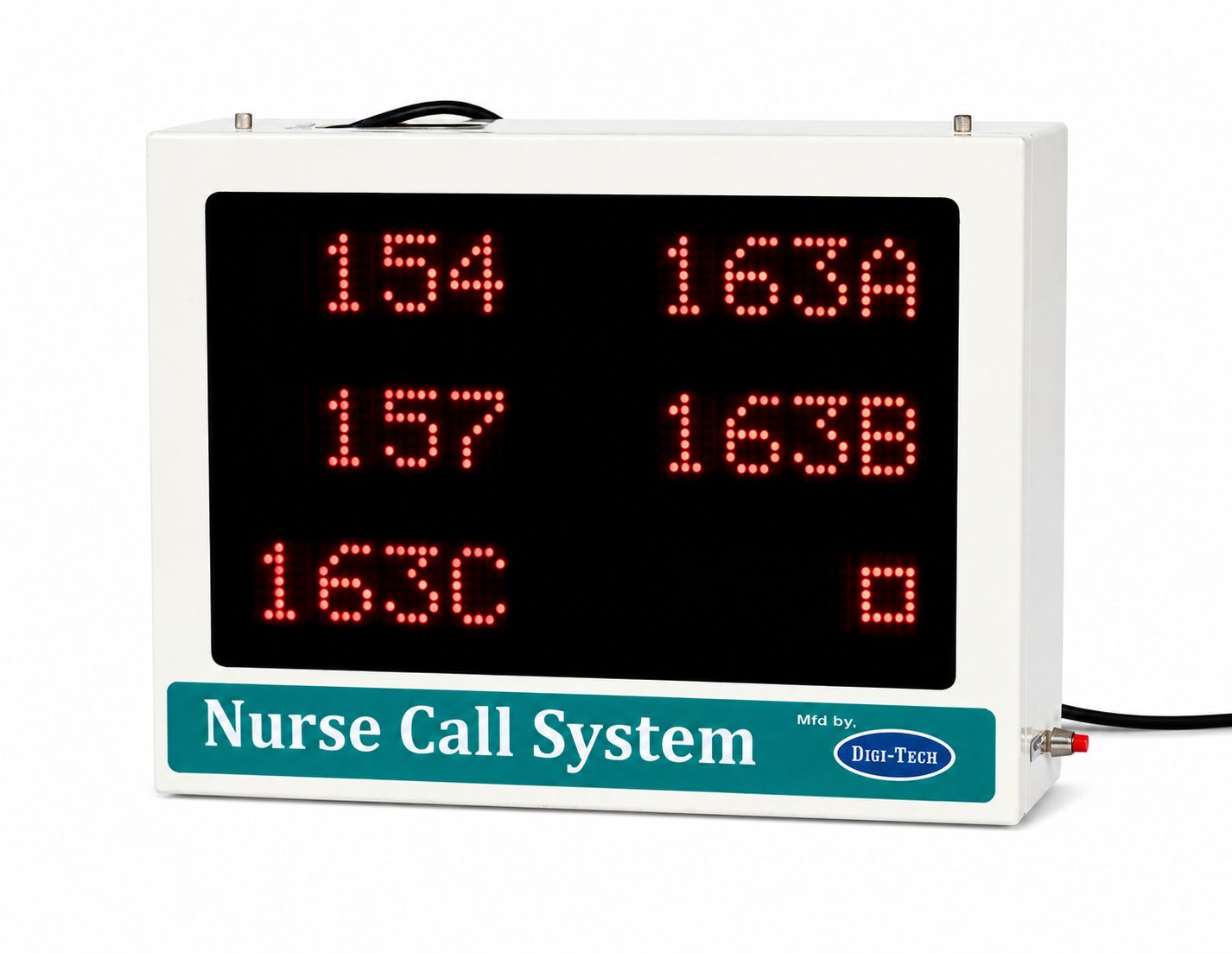
Signavanc Lite
Dot-matrix panel · RS-485
The dot-matrix panel that has been in Indian wards for two decades — the exact room or bed on every call, a hidden Code Blue at the bedside and toilet pull-cords, at the lowest cost per bed.
Signavanc™ Ultra or Signavanc Lite
Everything that differs between the two, in one place.
| Signavanc Ultra | Signavanc Lite | |
|---|---|---|
| Nurse station | LCD console | Dot-matrix panel |
| Room / bed identification | 5-character alphanumeric + voice | 3-digit alphanumeric + beep |
| Waiting time shown per call | ||
| Calling units per station | Up to 56 | Up to 26 |
| Cabling | 26-port hub, 4-core | RS-485 / 4-core |
| Bedside buttons | IP65 illuminated | Non-illuminated |
| Bedside unit options | 2, 3 or 4 module | Fixed unit |
| Code Blue | Dedicated button | Hidden under the logo |
| Toilet & shower pull-cord | ||
| Door indicator | Multi-colour by call type | Red only |
| Pantry & housekeeping calls | ||
| Turn Over Time (TOT) on the console | ||
| Reporting | Ward + centralised | |
| HIS / EMR integration | Optional | |
| Scheduled reminders | ||
| Mini nurse kiosk or tab | Optional |
Who lays the cable, and what kind
The cable is where a wired quotation usually goes wrong, so it is worth being precise about it before anyone budgets.
We do not undertake cabling.
On every wired system, your own electrical contractor pulls the cable to the schedule we provide — hub position, call point positions, core allocation and termination detail. That keeps the wiring under your contractor's warranty and your site supervision, and keeps cable and labour costs transparent instead of buried in an equipment quotation. Our engineers commission and hand over once the cable is in.
4-core is enough
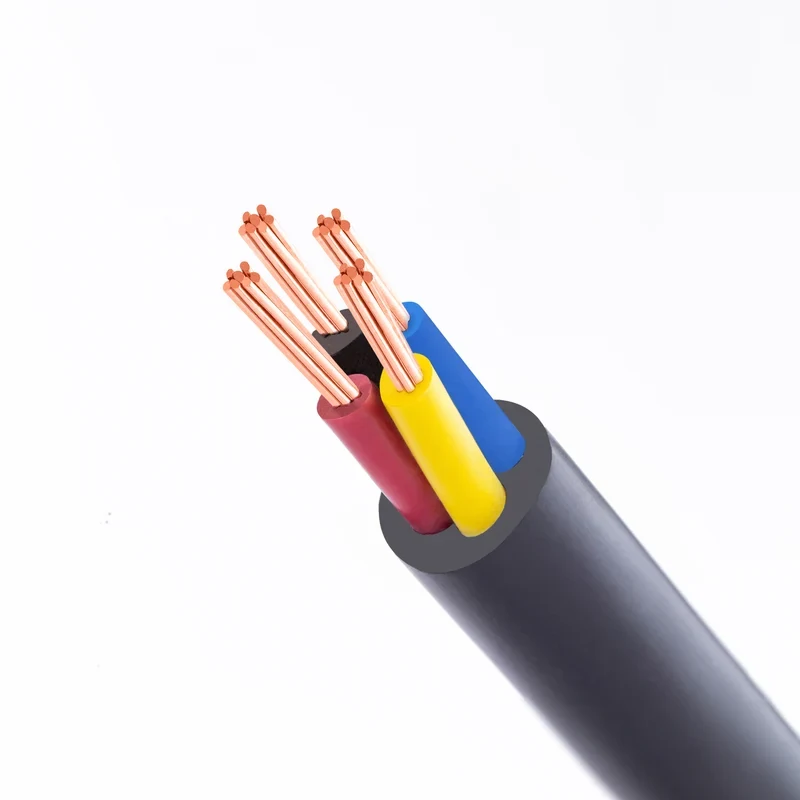
Neither model needs structured Cat 5/6. Signavanc Ultra runs its 26-port hub on ordinary 4-core cable and Signavanc Lite on RS-485 or 4-core — the cable an electrical contractor already knows how to pull, at a fraction of the cost of a data cabling package. Cat 5/6 with fibre is our Signavanc IP system, for a building being wired anyway.
Existing wiring often works
Where a ward already has serviceable 4-core or legacy dot-matrix nurse call wiring, it can frequently be reused rather than replaced. That is usually the difference between a rewiring project and a panel replacement, so we check continuity and core count during the site survey and tell you honestly what has to go before anyone budgets for new cable.
Standard module boxes
Bedside call points and pull-cord switches fit standard 2, 3 and 4 module boxes, so your electrician treats them like any other switch on the fit-out drawing. On Signavanc Ultra the module size is also the button choice: 2 module for call, reset and Code Blue, 3 module to add housekeeping, 4 module to add pantry. Pull-cords and door indicators run to the calling unit on 2-core cable.
One extra run for centralised reports
Signavanc Ultra consolidates reports across wards over a Cat 5/6 link with an RJ45 jack from each nurse-station server to the central server. It is one cable per station and easy to miss, so we put it on the schedule at the start rather than discovering it once the wards are done.
220 V AC, UPS-friendly
Both models run on 220 V AC and sit comfortably behind the ward UPS, so calls keep reaching the station through a power cut. Cabinets are rustproof and rated for continuous duty in a humid ward.
What neither wired model does
A wired system answers calls at the station, reliably, for a long time. It is not a communications platform. If any of these matter to your ward, the honest answer is a different model — and we would rather say so now than after installation.
Compare all five models Running more than one model? See hybrid estates →Which one fits your ward
Choose Signavanc Ultra if…
- You want a live console at the station, not just a number on a panel
- The ward is larger than 26 beds
- Pantry and housekeeping calls should come through the same system
- You need response reports — for the ward and for the hospital
- Multi-colour corridor indicators or scheduled reminders matter to how the ward runs
Choose Signavanc Lite if…
- The requirement is accurate room and bed identification, reliably, at the lowest cost per bed
- The ward is 26 beds or fewer
- There is serviceable nurse call wiring already in place
- Reporting, service calls and a console are not part of the brief
- It is a nursing home, polyclinic or a ward being brought up to NABH on a fixed budget
Neither, if the ward cannot be cabled. An occupied ward, a heritage building or a block across the campus is a wireless job — and a new build being wired anyway should look at Signavanc IP on Cat 5/6.
Applications
Bedside call points, waterproof pull-cords, corridor door indicators and Code Blue work the same way across our whole nurse call range — they are described in full on the nurse calling system hub. If the requirement is simpler still — a bell push and a numbered panel, with no room and bed identification — that is our wired call bell system.
Wired nurse call — common questions
Cabling, capacity and where the wired range stops. Our engineering team will give you a straight recommendation for your ward.
What is a wired nurse call system?
A wired nurse call system connects every bedside calling unit and toilet pull-cord back to the nurse station over cable rather than radio. Pressing a call point puts that room and bed up at the station with an audible alert, and the call stays there until a nurse resets it. Because there is no radio link there is nothing to pair, no batteries to change and no coverage to survey — which is why wired remains the default in new construction and in wards whose layout is settled.
Signavanc Ultra or Signavanc Lite — which should we choose?
Both are wired, both cover bedside calls, toilet pull-cords and Code Blue, and both are NABH-ready. Signavanc Lite gives you the exact room or bed on a dot-matrix panel for up to 26 beds, and nothing beyond that. Signavanc Ultra replaces the panel with an LCD console showing waiting times, carries up to 56 calling units, adds illuminated IP65 bedside panels, multi-colour door indicators, pantry and housekeeping calls, scheduled reminders, ward and centralised reporting and an optional mini nurse kiosk. If a console, reports or service calls appear anywhere in your brief, the answer is Ultra.
Do we need Cat 5/6 cabling for a wired nurse call system?
Not for these two. Signavanc Ultra runs its 26-port hub on ordinary 4-core cable and Signavanc Lite on RS-485 or 4-core. Structured Cat 5/6 with fibre-optic communication is what our Signavanc IP system uses, and that is the right choice when a building is being constructed or rewired anyway. If your hospital never had data cabling pulled, Signavanc Ultra is the model that still gives you an LCD nurse station.
Who lays the cabling?
Your side. We do not undertake cabling on any of our wired systems — your electrical contractor pulls the cable to the schedule we provide, covering hub position, call point positions, core allocation and termination detail. That keeps the wiring under your contractor's warranty and your site supervision, and it keeps the cost of cable and labour transparent rather than buried in an equipment quotation. Our engineers commission and hand over once the cable is in.
Can our existing nurse call wiring be reused?
Often, yes. Both models run on RS-485 or 4-core data cabling, so where a hospital already has serviceable legacy dot-matrix or 4-core nurse call wiring, it can frequently carry the new system and full rewiring is rarely required. We check it during the site survey and tell you honestly what has to be replaced before you commit a budget.
Can we start wired and add wireless wards later?
Yes, and most growing hospitals end up doing exactly that. A new block can go on Signavanc IP or a wireless model while existing wards stay on Signavanc Ultra, and the call activity from every one of those stations consolidates into a single set of reports for the hospital. What stays local is call handling and mobile oversight — each station answers its own ward, and the head-nurse app covers the wireless wards rather than the wired ones. We plan the whole estate at the survey so nothing installed now becomes stranded later.
Send us the ward layout
Bed count, where the nurse station sits and what cabling is already in the wall. We will come back with the model recommendation, the cable schedule your contractor needs, and a same-day quotation.