
Wired call bell system
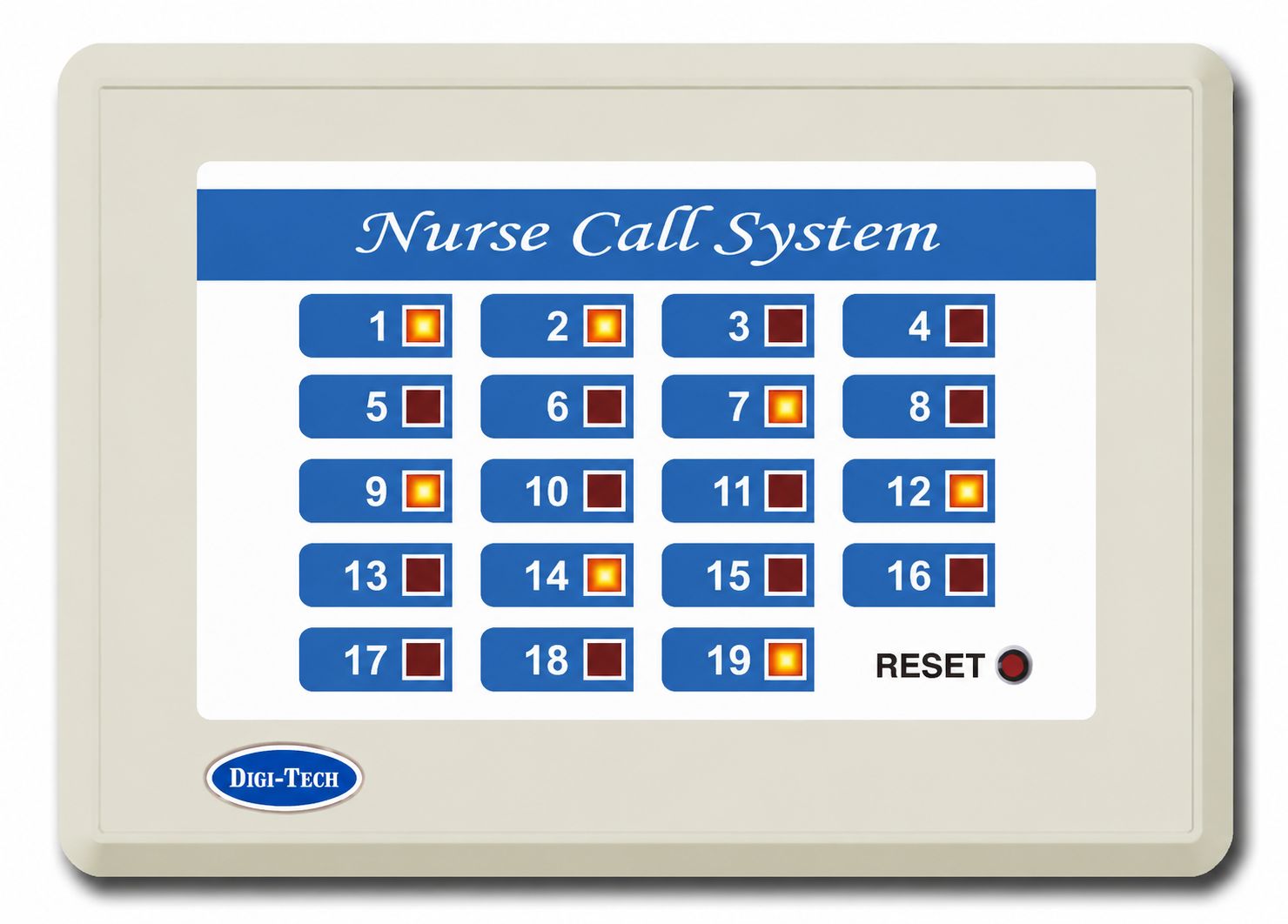
A push-bell switch at each point, cabled back to a numbered LED panel that lights the calling position and sounds until it is reset. No batteries, no radio, and nothing to maintain once it is in.
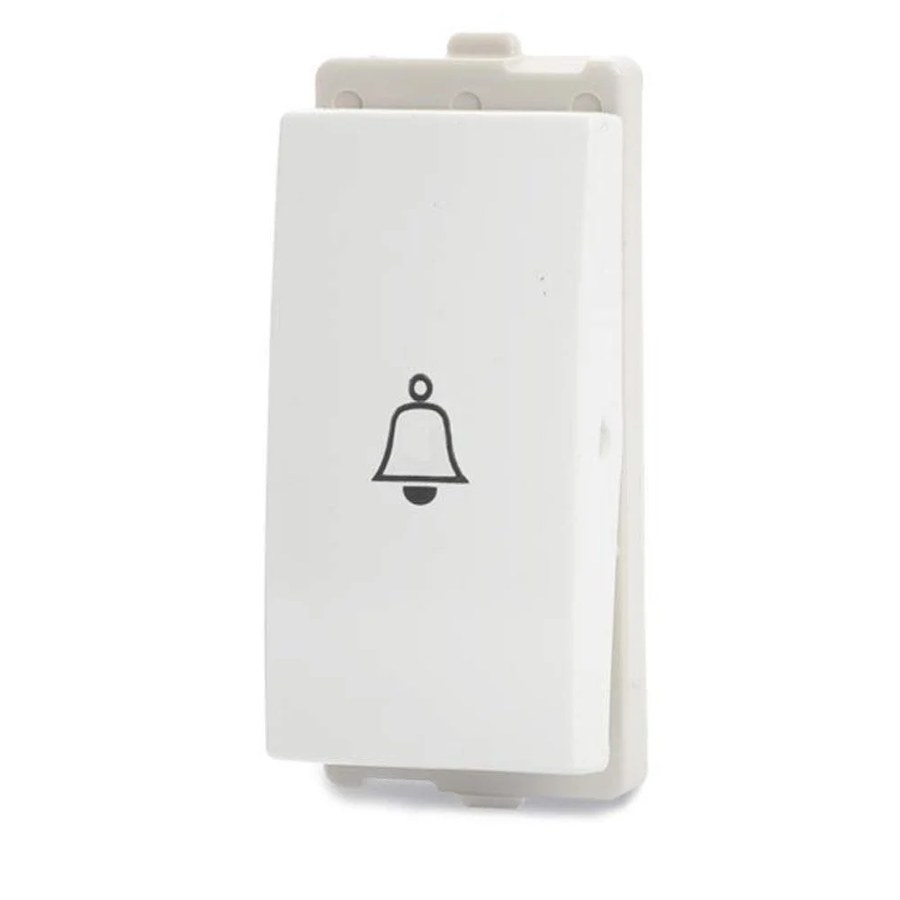
Push-bell switch
A standard modular bell-push at each call point — normally supplied and installed by you along with the cabling.
How the wired system works
Each call point is a plain push-bell switch wired back to a wall-mounted LED indicator panel. Press it and the corresponding number lights on the panel with a buzzer, and it stays lit until someone clears it at the panel — a call is never silently dropped. Because everything is cabled there is nothing to pair, no batteries to replace and no radio coverage to think about, which is exactly why some facilities still prefer it. It is the same panel we supply as the Basic wired tier of our nurse calling range.
- Numbered LED indicator panel — up to 19 call points
- Push-bell switch at each point raises the call
- Audible buzzer with the LED latched until reset at the panel
- No batteries anywhere in the system
- No radio, so nothing to interfere with — and nothing to survey
- Panel background customised to match your own room or bay numbering
- Microcontroller-based, low power consumption
Specifications
- Connectivity
- Wired
- Panel
- LED indicator panel — up to 19 numbered positions
- Call point
- Standard modular push-bell switch (client supplied)
- Indication
- LED latched until reset + audible buzzer
- Reset
- Reset switch on the station panel
- Display
- Customisable background / room numbering
- Mount
- Wall-mounted station panel
- Power
- 220 V AC
What we supply, and what you do
Worth being clear about this before you budget, because it is the part that surprises people late in a project if nobody says it early.
We supply
- The LED indicator panel, built to your point count and numbering
- Customised panel background matching your room or bay numbers
- Commissioning and testing once the cabling is in place
- The exact cable specification and switch type required
- Warranty on the panel and support across India
You or your contractor supply
- The push-bell switches at each call point — ordinary modular switches
- Cabling from each call point back to the panel position
- Conduits, casing and the electrical fit-out work
- A 220 V AC supply at the panel location
Getting a wired install right
Best fitted during construction
If the building is being wired anyway, adding call-point cabling costs very little on top and disappears into the electrical works. This is when wired makes the most sense financially.
Plan the panel position first
Every call point runs back to the panel, so its location determines the cable lengths. Fix the nurse station, reception or supervisor desk position before the wiring is drawn.
Retrofitting an occupied building
Possible, but it means chasing walls or running casing through a working ward — with disruption and making-good. In an occupied building the wireless system is usually the better answer.
Nothing to maintain
No batteries to replace, no pairing to remember and no radio coverage to re-check when the layout changes. Once it is in, the system is essentially maintenance-free.
Should you actually choose wired?
We make both, so we have no reason to push you either way. Read whichever list describes your situation.
Choose wired if…
- The building is under construction or being rewired
- You do not want batteries to manage anywhere in the system
- The environment is electrically noisy and you would rather not rely on radio
- Call points are fixed and will not move — beds, bays or counters in permanent positions
- The facility is small enough to sit comfortably within 19 call points
Choose wireless instead if…
- The building is occupied and cannot be disrupted for cabling
- The premises are rented, or walls cannot be chased
- Call points may move, or you expect to add more later
- You need more than 19 points, or staff must read a room number
- You want the system running today rather than after an electrical job
Applications
Wired — common questions
Cabling, scope of supply and when wired is genuinely the right call.
Do you supply the push-bell switches?
No — and that is deliberate. The push-bell switches for the wired system are ordinary modular switches, the same kind used throughout the building's electrical fit-out. They are normally supplied and installed by the hospital or its electrical contractor along with the cabling, because sourcing them locally with the rest of the switchgear is cheaper and keeps the fit-out consistent. We supply the station indicator panel and specify exactly what switch and cable you need.
What cabling is required?
Each call point runs back to the station panel, so the cable route depends on your layout and where the panel sits. We provide the exact cable specification and the wiring schematic once the point count and panel position are fixed — that is part of the design work, not something to guess at. Fixing the panel location early is the single thing that most affects the cable run.
How many call points can one panel handle?
Up to 19 numbered positions on one panel. If you need more than that, you have two options: run a second panel for another ward or area, or move to the wireless display system, which shows room numbers rather than a fixed set of positions and scales more easily.
Can the wired system be retrofitted into a working ward?
It can, but it means chasing walls or running surface casing through an occupied area, with the disruption and making-good that involves. In a building that is already occupied, the wireless system almost always works out cheaper, faster and far less disruptive — we will tell you so rather than sell you the harder job.
Why choose wired over wireless at all?
Three reasons, and they are good ones. There are no batteries to manage anywhere in the system. There is no radio, so nothing to be interfered with and no coverage to re-survey when your layout changes. And if the building is being wired anyway, the incremental cost of adding call-point cabling is small. Where none of those apply, wireless is usually the better choice.
Can the panel show our own room numbers?
Yes. The panel background is customised, so the positions can be labelled with your actual room, bed or bay numbers rather than a generic 1-to-19 sequence. Send us your numbering when you order and the panel arrives labelled correctly.
Tell us your layout
Send us the number of call points and where the panel would sit, and we will come back with the panel specification, the cable schedule for your contractor, and an honest view on whether wired or wireless suits you better.