
Signavanc™ Lite wired nurse call system
The panel that has been in Indian wards for two decades. A patient presses; the exact room or bed appears at the nurse station with a beep and stays there until someone answers it. No screen, no network, no batteries — the clinical requirement met properly, at the lowest cost per bed we build.
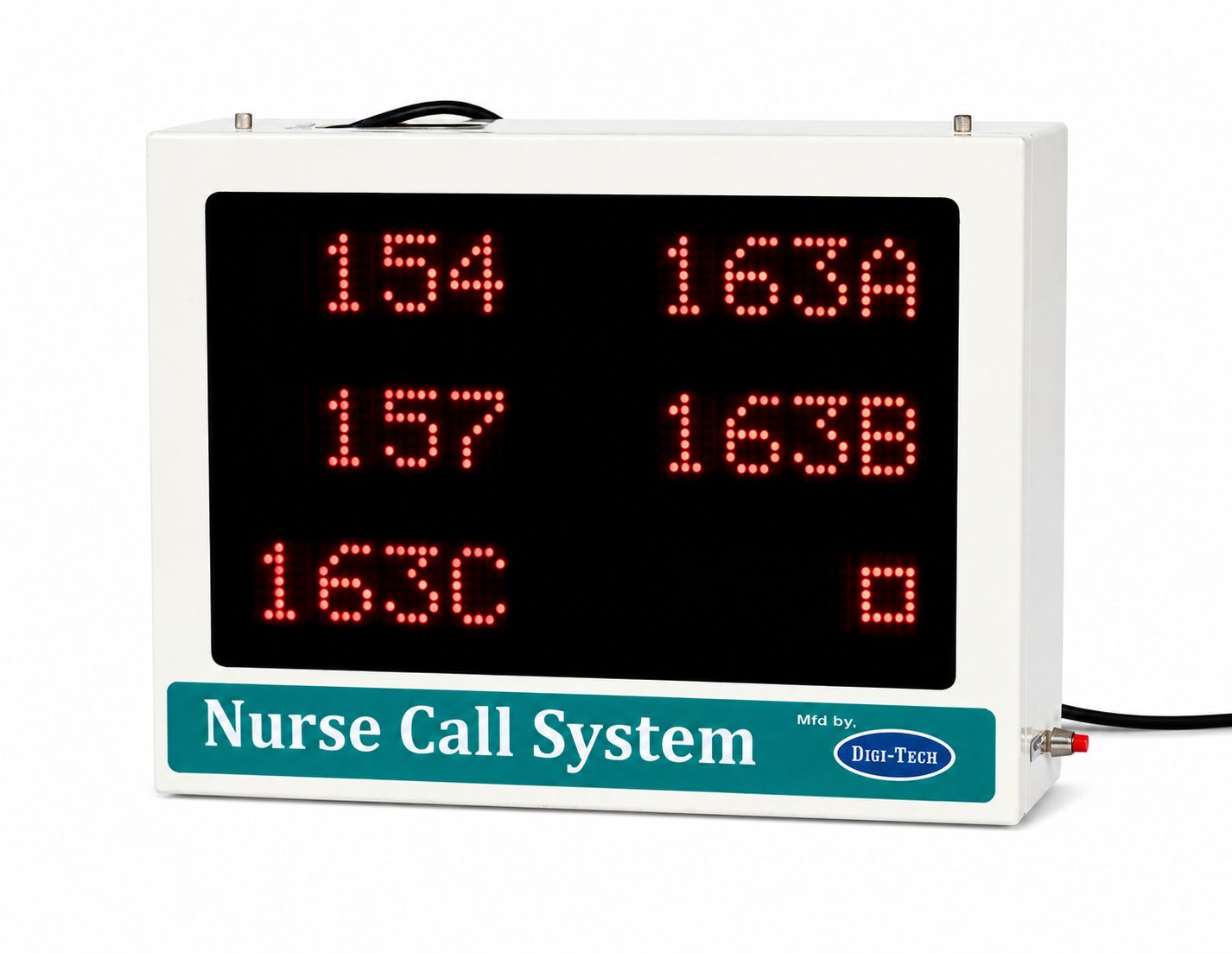
A number a nurse can read from across the room
The whole design is one idea: make the calling bed unmistakable. Large red dot-matrix digits, a beep that does not stop on its own, and a call that stays on the panel until a nurse walks over and clears it. Several calls hold at once in the order they came in, so a busy few minutes does not lose anybody.
- 3-digit alphanumeric dot-matrix display — the exact room or bed on every call
- Toilet calls carry a T suffix — 101T — so staff know before they walk
- Audible beep with the visual, and the call latches until a nurse resets it
- Several calls held on the panel at once, in the order they arrived
- Up to 26 bed extensions on one panel
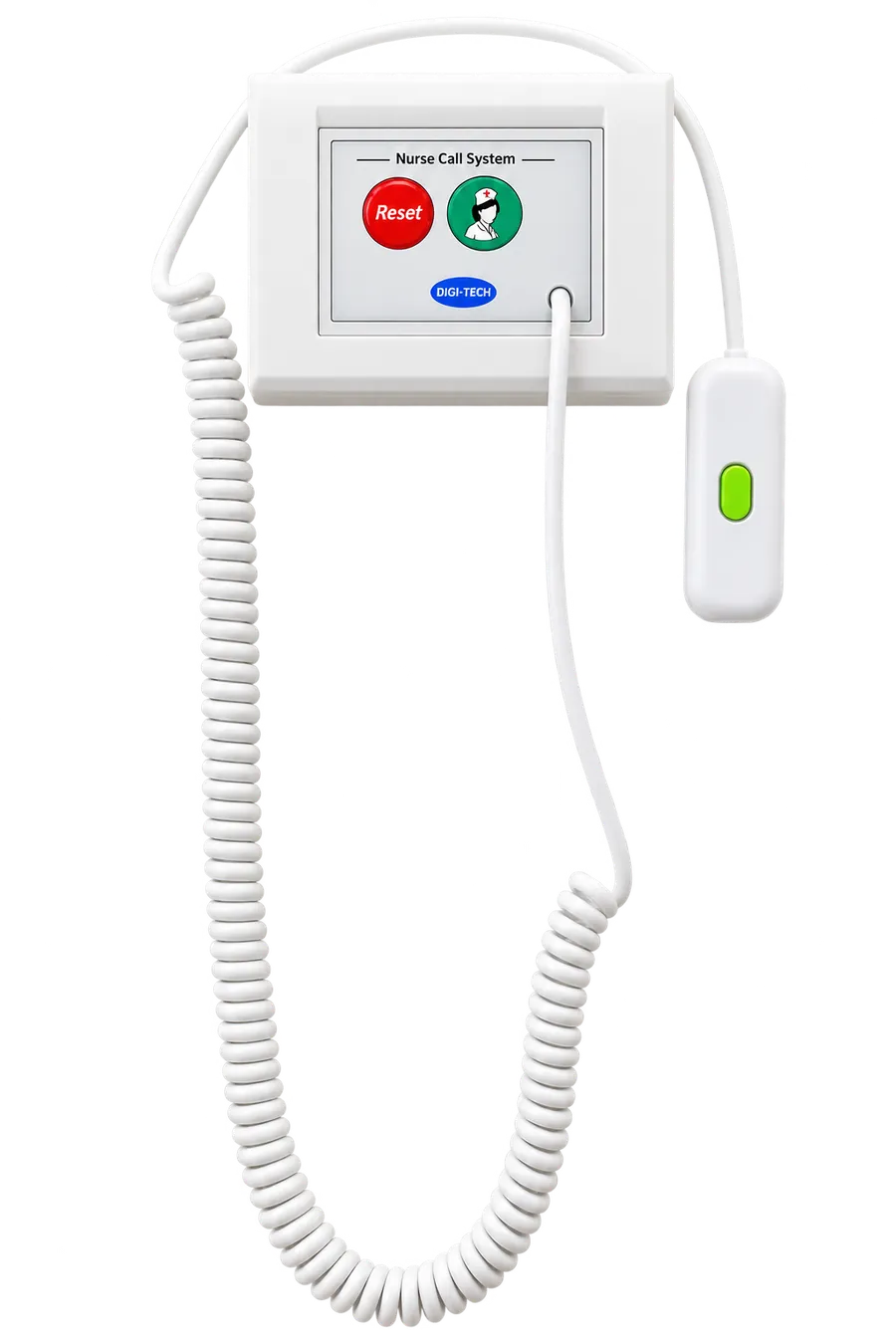
Two buttons on the wall — and a third nobody sees
The bedside unit shows a patient exactly two things: call the nurse, and reset. The DIGI-TECH logo below them is the Code Blue button. Hiding it in plain sight solves a real ward problem — an attendant leaning on the wall cannot raise a false emergency, while a nurse who has been shown it during handover can start a Code Blue in a second without hunting for a separate switch.
The handheld pendant on its coiled lead does the ordinary work: a patient who cannot sit up still has the call button in their hand.
- Two plain buttons at the wall — call the nurse, and reset
- The DIGI-TECH logo on the unit is the hidden Code Blue button
- Handheld pendant on a coiled lead, so a patient in bed reaches it without stretching
- Non-illuminated switches — simple, robust, nothing to fail in the dark
- Fits standard modular boxes on the electrical fit-out drawing
- One fixed unit — the 2, 3 and 4 module choices belong to the other models
The corridor and the washroom
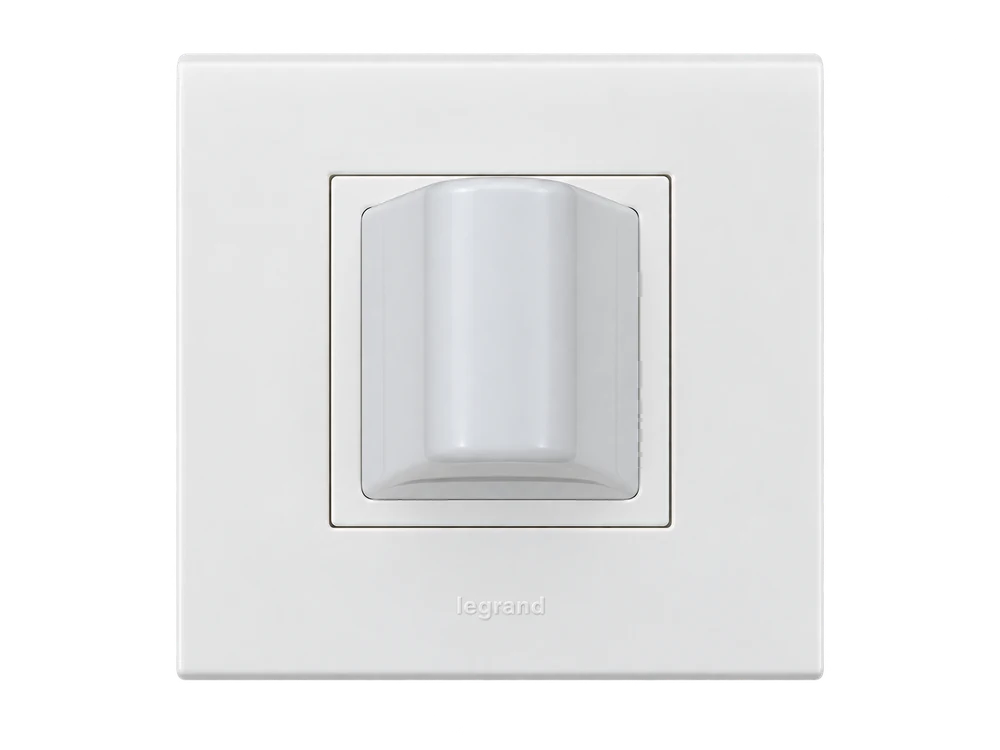
Door indicator — red
Above each patient door, on during a normal call and blinking under Code Blue, so a nurse in the corridor finds the room without looking back at the panel. On Signavanc Lite the indicator comes in red only; multi-colour indicators mapped per call type are a Signavanc Ultra feature.
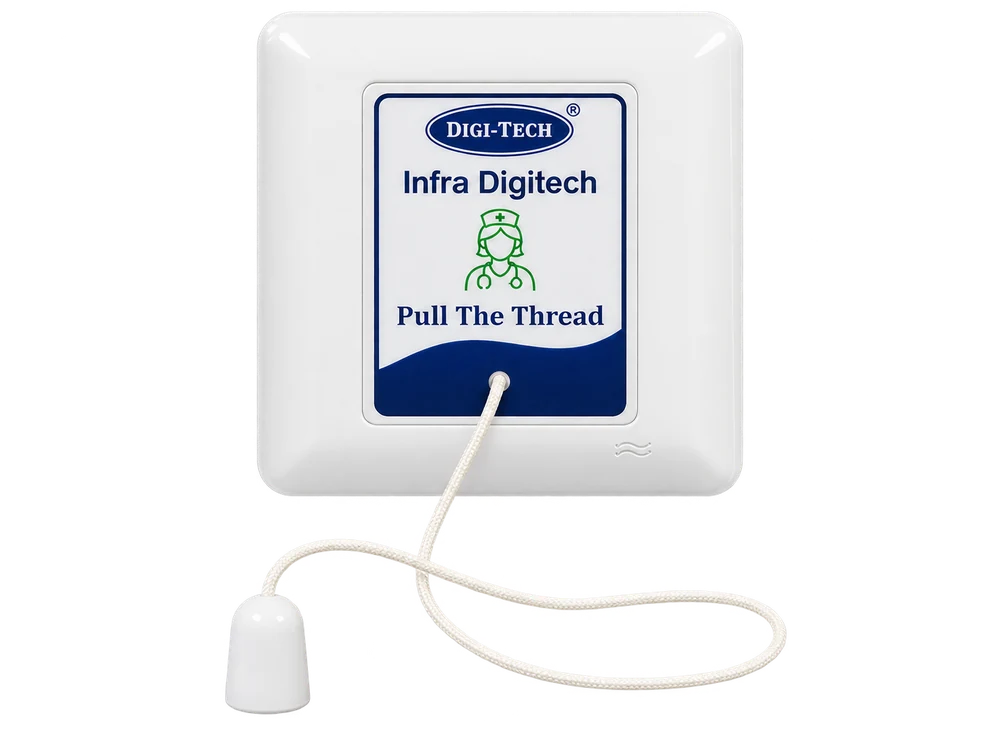
Toilet & shower pull-cord
A waterproof pull-cord at every patient-accessible washroom, reachable from the floor if someone has fallen. The panel marks it with a T so the call is never mistaken for a bedside one — the single most useful thing this system does.
Why wards still choose the simple one
Signavanc Lite is not the cheap option that hospitals settle for. For a great many wards it is the correct option, and it is worth saying why.
It meets the requirement that matters
NABH asks for a call point at every bed and washroom, audible and visible indication of which bed is calling, calls that latch until reset and a differentiated Code Blue. Signavanc Lite does all four. Everything above that is convenience, and convenience is what the other models are for.
Your existing wiring often carries it
Signavanc Lite runs on RS-485 or 4-core cabling, so a ward with serviceable legacy nurse call wiring can frequently keep it. That turns a rewiring project into a panel replacement, which is usually the difference between the budget being approved and being deferred.
Nothing exotic to maintain
No radio to survey, no batteries to change, no network to depend on, no screen to fail. A biomedical department can keep it running with a multimeter, and we hold spares for it because we have been building this panel for two decades.
A Code Blue nobody presses by accident
Putting the emergency call behind the logo means an attendant leaning on the wall cannot trigger a Code Blue, but a nurse who has been shown it can raise one in a second without hunting for a separate switch.
What Signavanc Lite leaves out
Deliberately. Each of these is what a step up buys you, and knowing that now is cheaper than discovering it after installation.
Compare with Signavanc Ultra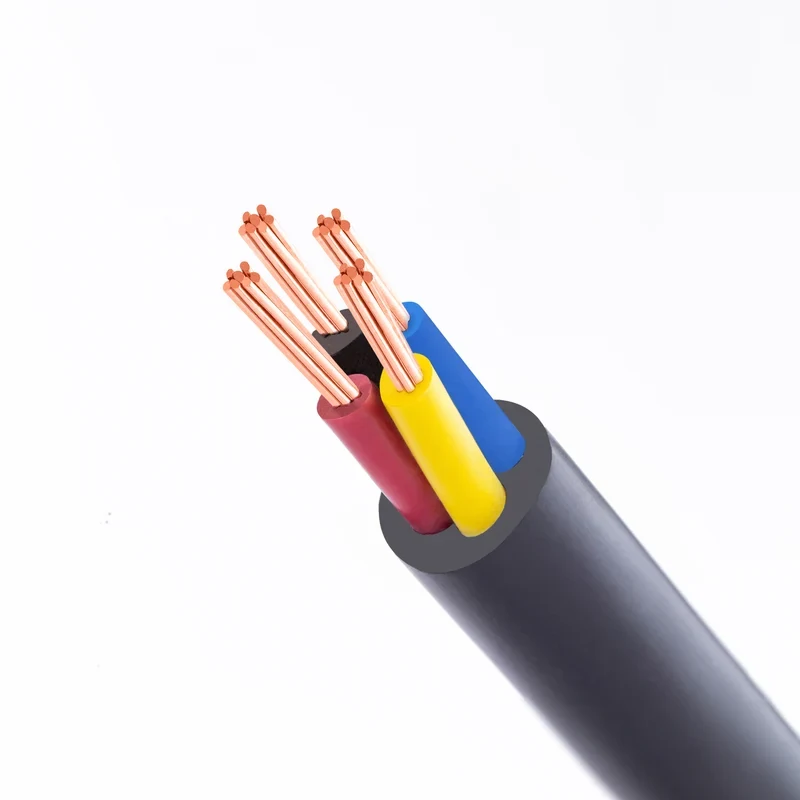
RS-485 or 4-core, pulled by your side
Often the wiring already in the wall will carry it, which is worth checking before budgeting a rewire. Full cabling scope.
Signavanc™ Lite at a glance
Code Blue, NABH requirements and the rest of the platform are described in full on the nurse calling system hub. If the ward needs a console, reporting or service calls, that is Signavanc Ultra. If the requirement is simpler still — a bell push and a numbered panel, with no room or bed identification — see the wired call bell system.
Signavanc Lite — common questions
The panel, the hidden Code Blue, cabling and when to step up instead.
What is the Signavanc Lite nurse call system?
Signavanc Lite is our dot-matrix wired nurse call system. A bedside unit, its handheld pendant or a toilet pull-cord raises the call; a wall-mounted panel at the nurse station displays the exact room or bed on a 3-digit alphanumeric dot-matrix display with an audible beep, and holds it until a nurse resets it. One panel supports up to 26 bed extensions over RS-485 or 4-core cabling.
Where is the Code Blue button on the bedside unit?
Behind the DIGI-TECH logo. The bedside unit shows two plain buttons — nurse and reset — and the logo itself is the Code Blue button. Keeping it unlabelled means a visitor leaning against the wall cannot raise a false emergency, while a nurse who has been shown it during handover can trigger one instantly without a separate switch to find.
How does a toilet call look different from a bedside call?
The panel adds a T suffix to the number — a call from the washroom of room 101 shows as 101T. It sounds small, but it changes how a nurse responds: a washroom call may mean a patient has fallen and cannot get up, and knowing that before leaving the station is the difference between walking and hurrying.
How many beds can one Signavanc Lite panel handle?
Up to 26 bed extensions per panel. Larger wards are split across multiple panels, each serving its own nurse station. If a single ward is bigger than that and you want it on one station, Signavanc Ultra carries up to 56 calling units.
Are the bedside buttons illuminated?
No. Signavanc Lite uses plain non-illuminated switches, which is part of why it costs what it does and part of why it lasts — there is simply less in them to fail. If backlit buttons matter for a ward that runs dark at night, the illuminated IP65 panel is a Signavanc Ultra feature.
Is Signavanc Lite enough for NABH accreditation?
Yes. It is engineered to satisfy NABH patient-call infrastructure requirements — a call point at every bed and every patient-accessible washroom, audible and visible indication at the nurse station of which bed is calling, calls that latch until reset rather than auto-clearing, and a differentiated Code Blue. What it does not provide is exportable response-time records for clinical audit; if your accreditation submission needs those, look at Signavanc Ultra.
Send us the ward layout
Bed count, where the nurse station sits and what cabling is already in the wall. We will tell you whether your existing wiring can carry it, give your contractor the cable schedule, and quote the same day.