In early 2001, Bengaluru was just beginning to earn its title as the Silicon Valley of India. The first wave of software services companies was scaling, foreign offices were opening, and a generation of Indian engineers was beginning to build things the world wanted to buy.
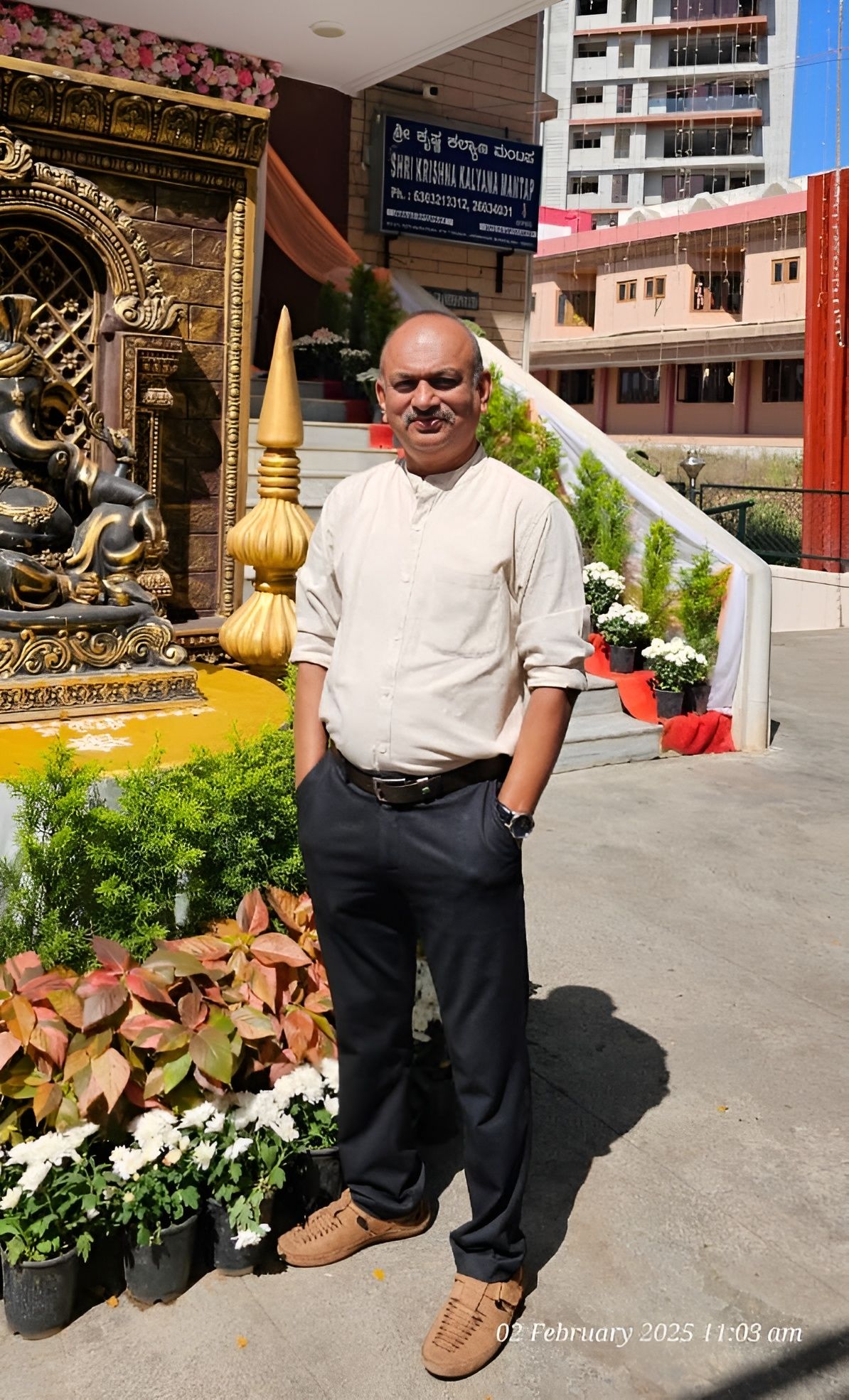
Among them was A.N. Venkatesh, an Electronics & Communication engineer who had founded his first company, MEI (Mysore Electronics Industry) Marketing and Services, back in 1994, convinced that India could design and build its own embedded systems instead of importing them. On 26 January 2001 he started a proprietorship of his own in Bengaluru and called it Digitech. Read his full story on the Leadership page →
Digitech opened for business with the token display Venkatesh had been hand-building since 1995, joined by digital clocks built around SCL (Semi-Conductor Laboratory) ship-based timing, which turned out to never quite hold accurate time. The breakthrough came when the team moved to RTC (Real-Time Clock) architecture. That single engineering pivot is still the foundation of every GPS, NTP and RTC-based clock we ship today, a quarter-century later. The portfolio quickly expanded into industrial production displays as well.
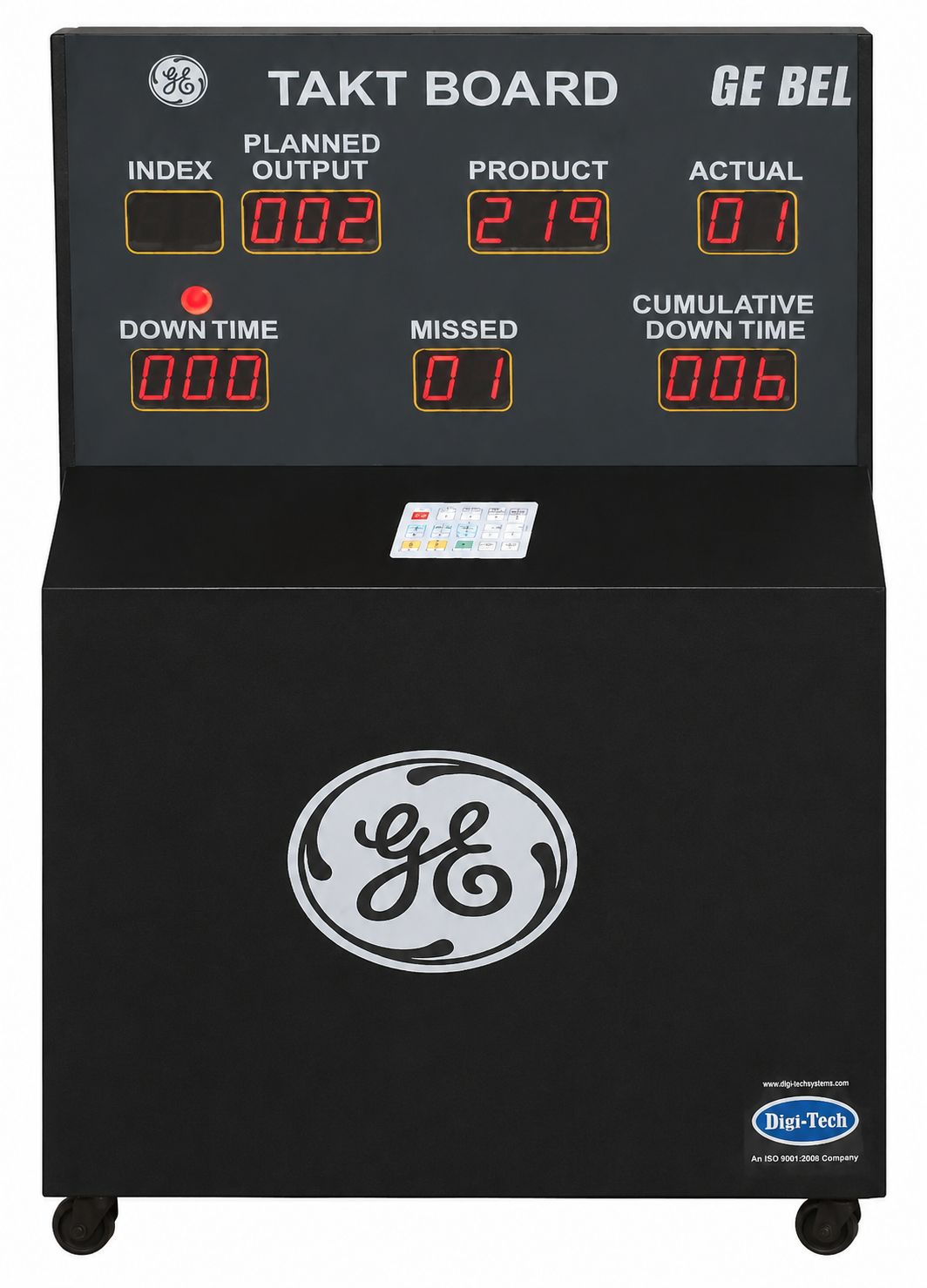
In 2001 itself, Digitech delivered its very first industrial production display to General Electric, which was just opening its Bangalore office, and shortly afterward to Bharat Electronics Limited (BEL). Those two became our founding customers, and the production-display product line they bought into is one we still ship across the Bengaluru-Hosur industrial corridor today.
As Bengaluru and India's banking and healthcare sectors expanded rapidly in the early 2000s, institutions began facing a new operational challenge: crowd management. Banks, hospitals and public-service counters struggled with long queues, manual token handling and unstructured customer flow. What began as standalone electronic token displays soon evolved into fully integrated Queue Management Systems combining token generation, counter displays, workflow routing and customer management.
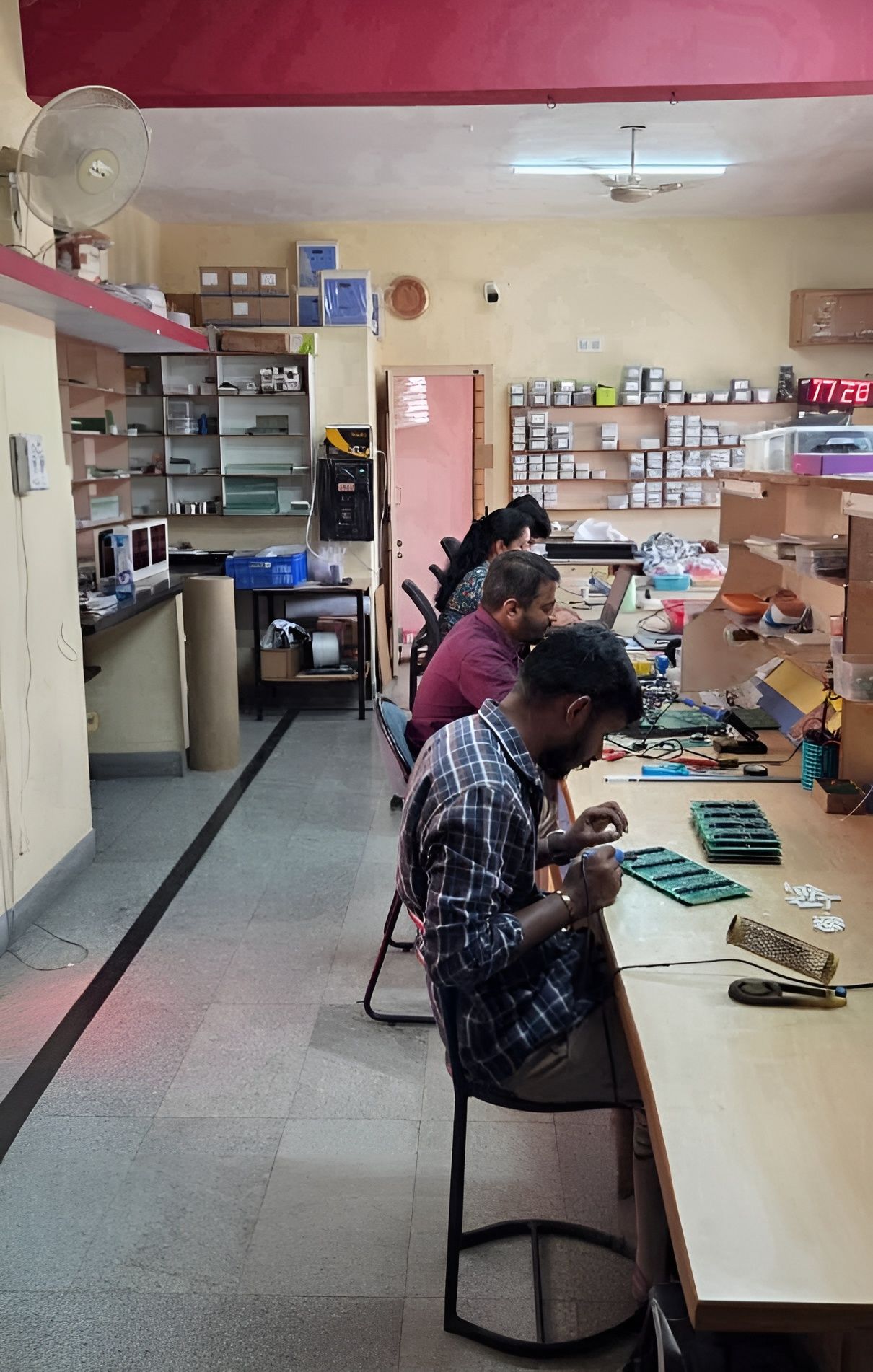
The defining inflection came in 2003–2004, when State Bank of India introduced the single-window banking concept. Digitech was among the first companies in India to design, develop and implement an electronic Queue Management System for SBI. The very first deployment was at SBI Kumaraswamy Layout, followed by SBI Church Street and SBI Jayanagar, the first three QMS installations in Indian retail banking. Tokens at the time were still printed on paper; the in-house token-printer mechanisms that today power thousands of branch deployments came soon after, engineered from scratch in our own workshop. Read the full DIGI-TECH origin story →
From SBI, the same architecture extended to SBM, SBT and SBH (all before their eventual merger with SBI), and then to Corporation Bank, Vijaya Bank, ING Vaishya and Syndicate Bank. In parallel, our electronic scoreboard line entered sports venues. The earliest installations were at City Institute for billiards and at the M. Chinnaswamy Indoor Stadium. That combination of in-house mechanical, electronics and embedded-firmware work, established in those first few years, has remained the defining edge of every product we ship today.